
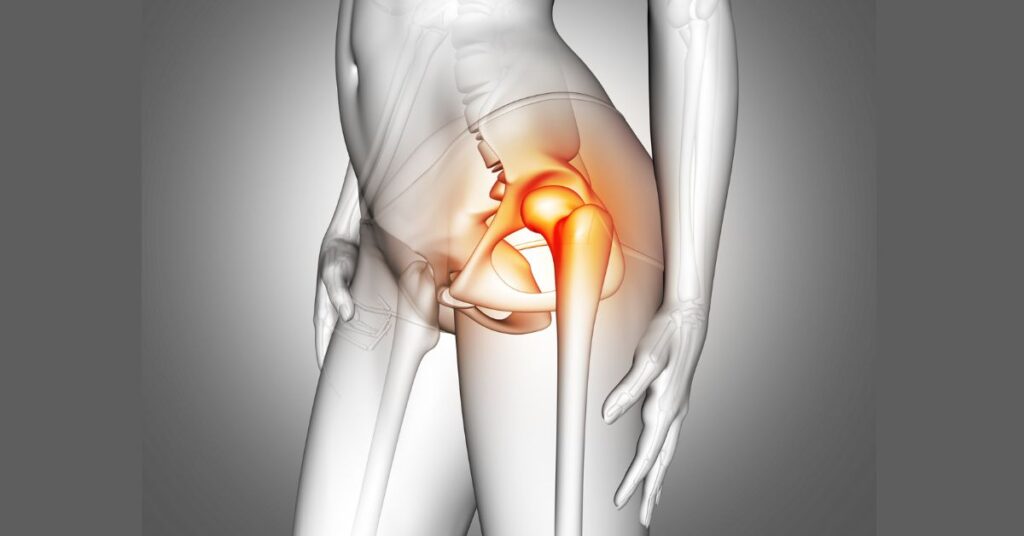
Cross-legged eating, squatting for washing clothes and kneeling for prayer are integral parts of daily life. However, these jobs are the reasons why many are finding themselves before the orthopedic surgeon in Indore much sooner than they had envisioned. The hip joints have been neglected for years and years, and all of a sudden this is the reason why you have to see an orthopedic surgeon.
These jobs are not considered to be high-stress jobs by most people
So deep squatting and sitting cross-legged are actions that involve the hip joint in extreme ranges of motion which are used quite often but not that much in the western furniture-based lifestyle. These positions can cause cartilage to wear away over the years, particularly when these are repeated each day.
When lifestyle changes are no longer a viable option
Making these changes can help prevent additional damage, but if the joints are already severely damaged, changing your habits will not repair the damage. This is where hip replacement in Indore becomes a viable option as cartilage cannot regenerate if it is worn to a great extent.
It is important to understand that having a hip at risk from everyday floor-based habits doesn’t mean giving up on cultural practices altogether, but rather be mindful at an earlier stage. A hip replacement surgeon in Indore can provide the right evaluation and assessment after an individual starts to find it difficult to squat or sit on the floor, to determine the extent of wear and tear and the available options.
FAQs
1. Can sitting cross-legged really contribute to hip joint wear over time?
Yes, prolonged deep hip flexion from cross-legged sitting and squatting places more strain on the joint, something an orthopedic surgeon in Indore often sees in patients with lifelong floor-sitting habits.
2. At what age does floor-sitting related hip wear typically become noticeable?
Often in the late 40s or 50s, though this varies based on frequency and intensity of squatting or floor sitting throughout earlier decades.
3. Should I stop sitting on the floor entirely to protect my hips?
Moderation helps, but complete avoidance isn’t always necessary unless significant wear has already occurred, which is best assessed through proper evaluation.
4. When does hip wear from these habits require surgical treatment?
Once cartilage damage significantly limits mobility and daily function, hip replacement in Indore becomes a realistic option worth discussing with a specialist.
5. Does hip replacement surgery allow patients to return to floor-sitting habits afterward?
A hip replacement surgeon in Indore can advise on realistic post-surgery mobility, though some deep floor-sitting positions may need modification long-term for joint safety.